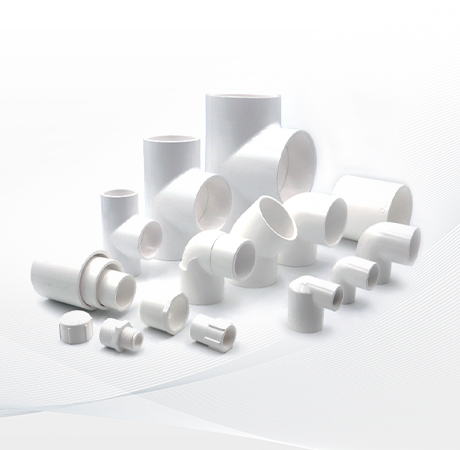

In industrial and commercial settings, the risk of pipe failure can translate into costly downtime, disrupted operations, and safety concerns. As a PVC electrical conduit pipe manufacturer, we understand that selecting the right PVC pipes is essential for ensuring long-term integrity and performance. In this article, we discuss how certain PVC pipes are less likely to burst and why those manufactured by LESSO offer reliable protection for electrical conduits and wiring systems.
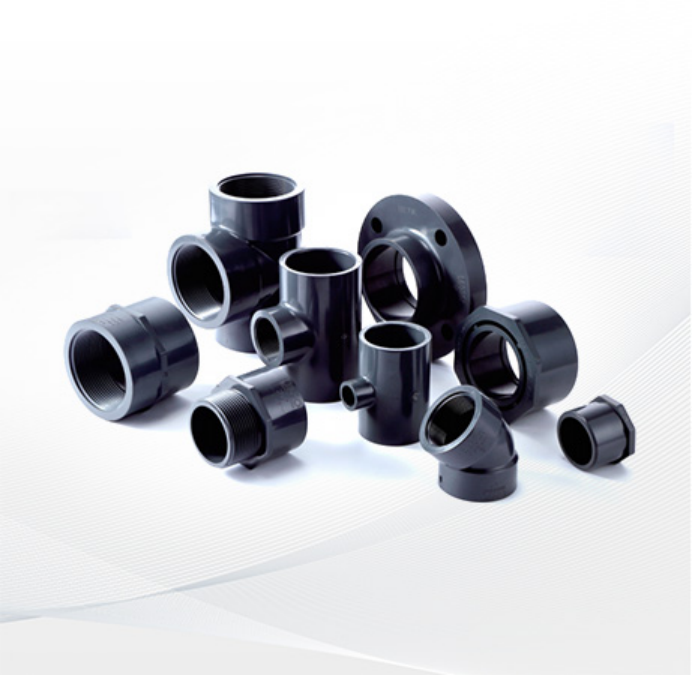
At the core of a pipe's resistance to bursting is the material from which it is made. PVC pipes produced with high‑quality compounds and strict adherence to material formulation standards provide uniform strength and rigidity. LESSO's manufacturing processes emphasize consistent resin quality and precise control of wall thickness. This ensures that each conduit maintains a stable structure under pressure or external stress. With these PVC pipes, potential weak spots are minimized, making them dependable in varied environments and applications.
PVC pipes that are less prone to bursting often feature appropriate wall thickness relative to their diameter and expected load. For electrical conduit uses, the pipes must withstand not only ambient conditions but also potential compression, bending, or accidental impacts. The conduits from LESSO are engineered with consistent wall dimensions, offering sufficient resistance to deformation. This careful balance between internal diameter and wall strength helps these PVC pipes maintain structural integrity even under thermal variation or mechanical strain.
As a PVC electrical conduit pipe manufacturer, we know that even the best materials can fail if production is sloppy. That is why we maintain rigorous quality control across every stage of manufacturing. From resin blending and extrusion to cooling and finishing, each batch is tested for dimensional accuracy, surface smoothness, and pressure tolerance. For clients using LESSO PVC pipes, this means a reliable conduit system that meets or exceeds industry standards and remains resistant to cracking or bursting over time.
Electrical conduit systems have their own demands. Wiring must remain protected from moisture, physical damage, and environmental stress. When conduits burst or crack, the risk of short circuits, corrosion, or fire increases. LESSO PVC conduits combine robustness with flexibility. Their smooth inner walls facilitate cable insertion and reduce friction, while their strong outer walls stand up to crushing or impact. For any installation where reliability matters, these PVC pipes offer a safe, durable pathway for critical wiring.
Whether installations are indoor or outdoor, buried underground or exposed to weather, PVC pipes from LESSO perform reliably across a variety of settings. The PVC material resists chemical corrosion, resists degradation from sunlight when properly protected, and tolerates temperature fluctuations. These attributes reduce the chance of failure due to environmental factors. That makes LESSO PVC pipes well‑suited for industrial facilities, commercial buildings, infrastructure projects, or retrofits requiring long‑term resilience.
When selecting conduit systems for electrical wiring or infrastructure deployments, the choice of PVC pipes can make a meaningful difference in safety and durability. Pipes that rely on high‑quality materials, precise manufacturing, consistent wall thickness, and thoughtful design are far less likely to burst or fail over time. As a PVC electrical conduit pipe manufacturer, we believe that LESSO PVC pipes embody those traits, offering reliable performance, enduring strength, and adaptability across environments. Choosing such well‑constructed conduits in North America helps ensure that electrical systems remain secure and operational for years to come.

Tel
(951) 547-6888
Fax
(951) 547-6886
Address
1010 Railroad Street, Corona, CA 92882
Copyright © 2026 CHINA LESSO.ICP No.1302348 Cookie-Policy


TOP