We understand that in industrial and construction projects, proper piping connections are essential for reliable water flow and long-term performance. PVC pipes have become a popular choice due to their durability, corrosion resistance, and ease of installation. When paired with schedule 40 fittings, these pipes offer a practical and efficient solution for both commercial and residential plumbing systems. At LESSO, we provide high-quality PVC pipes and fittings that simplify the connection process while ensuring lasting results.
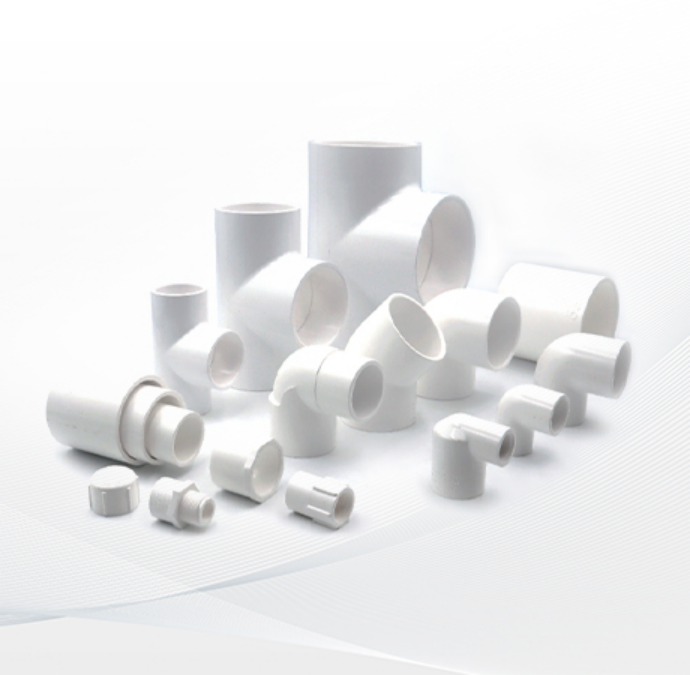
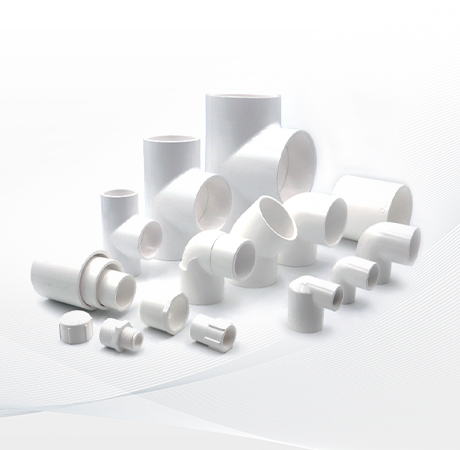
Schedule 40 fittings are designed to handle standard pressure applications and are widely used in piping systems. They come in various shapes, including elbows, tees, couplings, and reducers, allowing flexibility in designing plumbing layouts. When connecting PVC pipes, schedule 40 fittings provide a secure and reliable joint that maintains system integrity. Choosing the right fittings and understanding their functions is a critical first step in any piping project.
Before connecting PVC pipes, preparation is key. We recommend starting with clean, cut pipe ends that are free from burrs or debris. Proper measurement and alignment ensure that the fittings will fit correctly, reducing the risk of leaks. Using a PVC cutter or saw designed for plastic ensures smooth edges, while deburring tools help remove rough surfaces. Proper preparation is the foundation for a strong and durable connection.
We follow a straightforward approach to connect PVC pipes using schedule 40 fittings. First, apply a layer of PVC primer to the pipe end and the interior of the fitting. This cleans the surface and prepares it for adhesive bonding. Next, apply PVC cement evenly to the primed areas. Insert the pipe into the fitting immediately, ensuring full depth and correct alignment. A slight twisting motion helps distribute the adhesive and form a tight seal. Hold the connection in place for a few seconds to allow the cement to set. Following these steps carefully ensures a leak-free joint that can withstand pressure over time.
We advise inspecting all connections after installation to ensure they are secure and properly aligned. Avoid excessive bending or stress on joints, as this can compromise the integrity of schedule 40 fittings. Regular maintenance checks and cleaning help maintain system efficiency. Using high-quality PVC pipes and fittings from LESSO ensures consistent performance and reduces the likelihood of costly repairs.
Connecting PVC pipes using schedule 40 fittings is a straightforward process when proper preparation, quality materials, and careful installation are applied. At LESSO, we provide a comprehensive range of PVC pipes and fittings in North America that meet industry standards and simplify installation. By following these steps and best practices, businesses can achieve reliable and durable piping systems for various applications.

Tel
(951) 547-6888
Fax
(951) 547-6886
Address
1010 Railroad Street, Corona, CA 92882
Copyright © 2026 CHINA LESSO.ICP No.1302348 Cookie-Policy


TOP