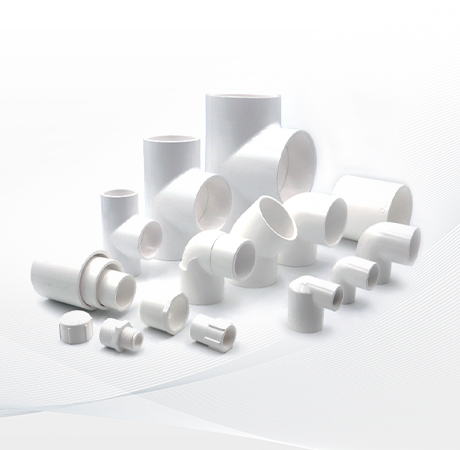

When working with plumbing projects, choosing the right materials and understanding installation techniques are essential. At LESSO, we aim to provide high-quality solutions that make your projects smoother and more reliable. As one of the recognized names among pipe and fittings suppliers, we focus on delivering durable PVC pipe and fittings that meet industry standards. In this article, we discuss effective ways to cut galvanized pipes and connect them with PVC components for efficient and long-lasting results.

Galvanized pipes, coated with a layer of zinc to prevent corrosion, are widely used in water supply systems. While durable, their heavy weight and rigid structure require proper tools for cutting and fitting. On the other hand, PVC pipe and fittings offer lightweight, corrosion-resistant, and easy-to-install alternatives. By combining galvanized pipes with PVC fittings where appropriate, you can create a flexible and efficient plumbing system that balances durability with ease of maintenance. Contractors across North America often leverage this combination to streamline installation while ensuring reliable performance.
Before cutting galvanized pipe, ensure you have the correct tools. A pipe cutter, hacksaw, or power saw with a metal-cutting blade works best. Always wear safety glasses and gloves to protect against metal shards and sharp edges. For PVC pipe, a simple hand saw or PVC cutter is sufficient. LESSO provides high-quality PVC pipe and fittings designed to fit standard plumbing systems, making installation more straightforward and reducing the risk of leaks.
Measure and Mark: Begin by accurately measuring the length of the galvanized pipe needed for your project. Mark the cutting point clearly with a marker or pencil.
Cut the Pipe: Using your chosen cutting tool, carefully cut along the marked line. Maintain a steady hand and avoid forcing the tool, as this can lead to uneven cuts or damage.
Deburr and Smooth Edges: After cutting, remove any rough edges from the metal pipe using a file or sandpaper. This step is crucial for ensuring a smooth connection with PVC fittings and preventing leaks.
Fit PVC Components: Prepare the PVC pipe and fittings by cleaning the surfaces that will be joined. Apply PVC primer and cement as recommended to create a secure and watertight connection. Ensure that the PVC components align correctly with the cut galvanized pipe.
Check Alignment and Seals: Once connected, verify that the pipes are properly aligned and that all joints are secure. Testing for leaks before completing the installation will save time and prevent future issues.
At LESSO, we understand the importance of reliable materials and precise installation. Our PVC pipe and fittings are manufactured with consistent quality, making them a preferred choice among pipe and fittings suppliers. Whether for residential, commercial, or industrial projects, LESSO products help streamline the plumbing process while maintaining durability and performance.
Cutting galvanized pipes and fitting them with PVC components requires attention to detail and proper tools. By following these steps and using high-quality products from LESSO, businesses can ensure efficient installations with lasting results. As trusted experts among pipe and fittings suppliers, we continue to support professionals with reliable PVC pipe and fittings that meet practical needs in every plumbing project.

Tel
(951) 547-6888
Fax
(951) 547-6886
Address
1010 Railroad Street, Corona, CA 92882
Copyright © 2026 CHINA LESSO.ICP No.1302348 Cookie-Policy


TOP