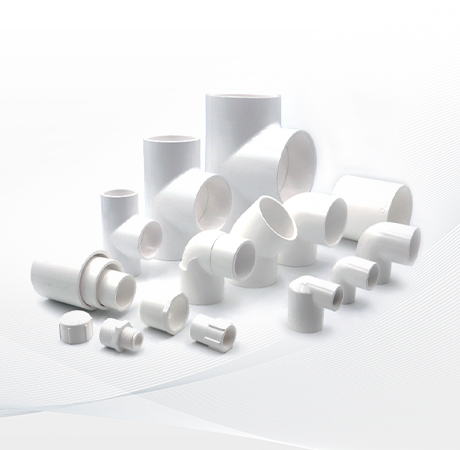

Understanding how PVC DWV pipe and fittings are joined is essential for building efficient drainage, waste, and vent systems. At LESSO, we support contractors, builders, and facility managers with durable plumbing pipe solutions designed for stable and long-lasting performance. Proper joining techniques ensure smooth flow, prevent leaks, and help drainage systems operate effectively for years.
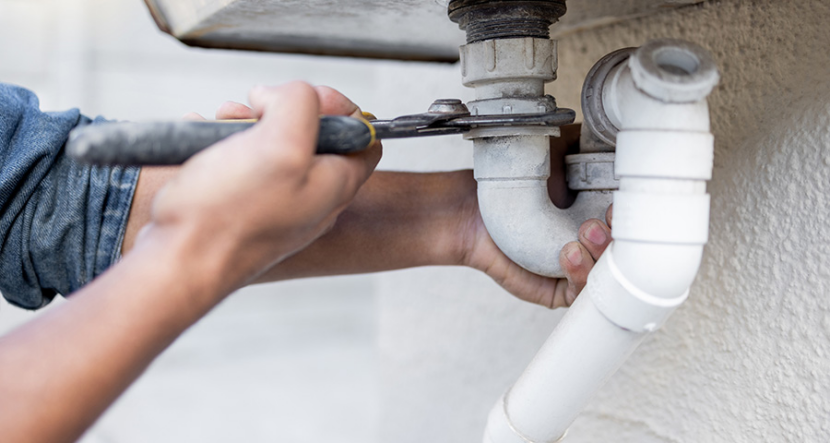
DWV—Drainage, Waste, and Vent—systems are not pressurized like water supply lines. Instead, they rely on gravity and airflow to transport wastewater safely. Because of this, joining DWV components requires a method that ensures secure alignment and a reliable seal without the need for high-pressure resistance.
PVC has become a preferred material for DWV systems thanks to its corrosion resistance, lightweight structure, and ease of installation. LESSO provides DWV plumbing pipe and fittings manufactured to meet these specific performance needs.
In most installations, PVC DWV pipes and fittings are joined using solvent cement welding. This method creates a chemical bond between the pipe and the fitting, forming a single, unified structure.
The process begins with cleaning the surfaces to remove dirt, oils, and debris. A primer may be applied to soften the PVC surface, depending on local codes or project requirements. Once the pipe and fitting are prepared, solvent cement is brushed onto both surfaces.
When the pipe is inserted into the fitting, the softened PVC layers merge as the cement begins to cure. This fusion-like bond helps create a strong and durable connection without the use of heat or mechanical fasteners.
At LESSO, our PVC DWV pipes and fittings are manufactured with consistent dimensions to support secure bonding during solvent welding.
For a well-joined connection, ensuring the correct insertion depth is essential. The pipe must be inserted fully into the fitting's socket until it reaches the internal stop. This prevents misalignment and ensures continuous flow inside the system.
Marking the pipe before assembly helps installers verify the full insertion during the joining process. A slight twist as the pipe enters the fitting distributes cement evenly and strengthens the bond.
LESSO's plumbing products provide precise socket depth and smooth surfaces, making insertion easier and improving the uniformity of the joint.
Before applying solvent cement, many installers perform a dry fit. This allows them to check alignment, slope, and overall layout across multiple fittings. DWV systems rely heavily on proper slope to ensure gravity drainage, so confirming the position before cementing is an important step.
Once everything aligns correctly, the components can be primed, cemented, and joined confidently.
After joining, connections must be allowed to cure according to cement manufacturer guidelines. Proper curing ensures the joint reaches its full structural capacity before the system is put into service.
LESSO's PVC materials are compatible with standard DWV solvent cements, supporting strong joints once fully cured.
Understanding how PVC DWV pipe and fittings are joined helps ensure efficient drainage system performance across commercial, industrial, and residential projects. The solvent cement welding process, combined with correct preparation, alignment, and curing, leads to strong and reliable joints. At LESSO, we provide high-quality PVC pipe and fittings designed for consistent installation and long-term service, helping businesses build dependable plumbing systems with confidence. From bustling urban developments to remote industrial sites, our DWV solutions are trusted across North America for seamless and durable drainage setups.

Tel
(951) 547-6888
Fax
(951) 547-6886
Address
1010 Railroad Street, Corona, CA 92882
Copyright © 2026 CHINA LESSO.ICP No.1302348 Cookie-Policy


TOP