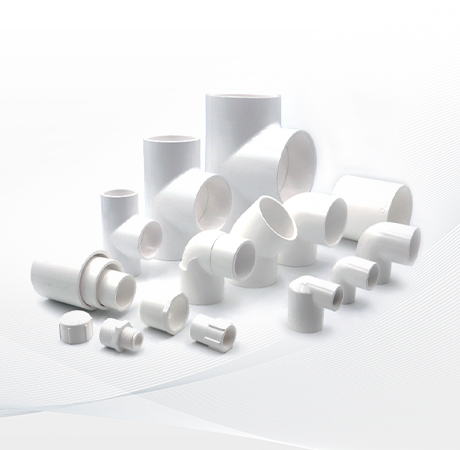

In any plumbing project, proper preparation is essential for ensuring strong, dependable connections. One question many contractors and facility teams ask is: Do you primer both fitting and pipe PVC? At LESSO, we emphasize that correct surface preparation plays a critical role in the performance of plumbing pipe fittings. Applying primer correctly not only improves bonding but also supports long-term durability across commercial and industrial plumbing systems.
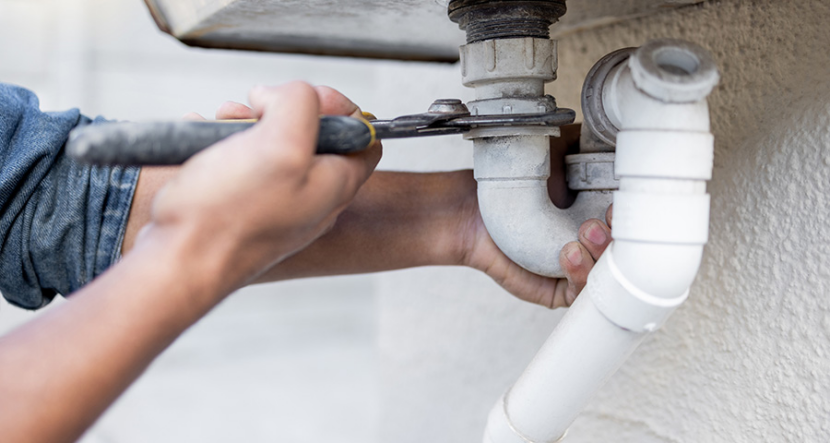
Primer is designed to clean and soften the PVC surface before cement is applied. This step allows the cement to fuse the pipe and fitting together more effectively, creating a secure connection.
In most cases, the answer to whether you should primer both the pipe and the fitting is yes. Priming both sides ensures that each surface is prepared equally, helping achieve a uniform seal. For systems relying on consistent flow and pressure performance, properly primed surfaces make a noticeable difference.
At LESSO, we offer PVC plumbing solutions engineered with consistent dimensional accuracy, making them ready for correct priming and cementing during installation.
The PVC pipe is often the first part to be primed. After cutting the pipe to length, ensure the edges are clean and free from burrs. Applying primer to the pipe end removes dirt, oils, and glazing that may prevent proper bonding.
A fully primed pipe surface allows the cement to penetrate deeply for a stronger chemical weld. This step is especially important in commercial plumbing applications where temperature changes, water pressure, or repeated use can place additional stress on pipe connections.
LESSO's PVC pipes are designed with smooth, uniform surfaces, making them easy to prime and bond during assembly.
Just like the pipe, the socket of the plumbing pipe fitting should also be primed. This ensures both surfaces soften evenly, allowing the cement to form a consistent bond. Failing to prime the fitting can create weak points in the connection, potentially leading to leaks or early wear.
Primer also helps installers visually confirm that the preparation step has been completed, as the colored solution typically leaves a noticeable mark. For large-scale installations, this visual confirmation supports quality control and helps teams monitor consistency across multiple joints.
LESSO supplies PVC fittings that meet industry standards for socket depth and surface finish, ensuring proper interaction with primer and cement.
After priming both the pipe and the fitting, apply PVC cement promptly before the surfaces dry. Insert the pipe fully into the fitting with a slight twist, which helps distribute the cement evenly. Holding the connection in place for a few seconds prevents push-out and allows the chemical bond to begin forming.
These steps contribute to a secure connection that withstands long-term use. Our plumbing pipe fittings are manufactured to support dependable bonding in diverse plumbing environments, from residential complexes to commercial systems.
So, do you primer both fitting and pipe PVC? For most plumbing projects, the answer is yes. Priming both components ensures that the PVC cement can form a strong, lasting bond. At LESSO, we provide high-quality PVC pipe and fittings that work seamlessly with standard primers and cements, supporting efficient installations and long-term reliability. With proper preparation and quality materials, businesses can achieve consistent results across every plumbing system they build. Our PVC solutions are trusted by installers across North America for reliable priming and secure connections.

Tel
(951) 547-6888
Fax
(951) 547-6886
Address
1010 Railroad Street, Corona, CA 92882
Copyright © 2026 CHINA LESSO.ICP No.1302348 Cookie-Policy


TOP